The surprisingly simple backyard answer to America’s grocery and healthcare crisis
NEWYou can now listen to Fox News articles!
Walk through any grocery store in America right now and you’ll see the same thing in every aisle. People staring at prices like they’re reading a foreign language.
A box of cereal at $8. A bag of chips for $6. Eggs and ground beef feel like luxuries. A simple couple of bags of groceries easily top $150. Washington politicians argue about inflation, supply chains and corporate profits. But there’s one obvious solution nobody seems to talk about anymore.
What if Americans had a mandate to grow their own food again?
BROOKE ROLLINS: YOUR THANKSGIVING DINNER COSTS LESS AND THAT’S A REASON TO GIVE THANKS
That’s not a radical idea. It’s actually how this country operated for most of its history.
Today, many middle and high school students graduate without knowing the most basic food skills, including how to plant a tomato, grow lettuce, compost soil or understand how long it actually takes food to grow.
We teach calculus, Shakespeare and trigonometry. All valuable subjects, but they won’t lower grocery prices. But somehow we’ve decided that food literacy and survival — meaning the ability to grow and understand food is simply neglected.
In an era of rising grocery prices that won’t go backwards no matter who is in the White House, that’s a huge mistake for America.
A single tomato plant can produce 20 to 30 pounds of tomatoes in one season. Don’t like tomatoes? Too bad. A modest backyard garden can generate hundreds of dollars of vegetables each year, including tomatoes, cucumbers, peppers, lettuce, herbs and squash. There are systems today that can be used in apartments and townhomes that don’t have land to grow lettuce, herbs, and more.
Multiply that across millions of American households, and you suddenly start reducing pressure on the grocery system itself. But the real benefit goes far beyond cheaper tomatoes.
Teaching kids how to grow food teaches them something our current education system struggles to deliver by explaining real-world economics. When a student plants seeds, tends soil, waters plants and waits weeks for the harvest, they learn lessons that no textbook can replicate.
SEC BROOKE ROLLINS: TRUMP BRINGS WHOLE MILK BACK TO SCHOOLS, UNDOING OBAMA’S WAR ON REAL FOOD
They learn to live off the land.
They learn effort equals reward.
They learn that food has value because it takes time and work to produce.
They also learn something else that’s increasingly rare in modern America. It’s where food actually comes from.
Ask a group of kids where carrots come from, and you’ll hear answers like “Publix” or “the grocery store.”
That disconnect from agriculture would have baffled earlier generations of Americans.
RICK PERRY: WHERE’S THE BEEF? TRUMP KNOWS AND HE’S TRYING TO MAKE IT AFFORDABLE
During World War II, Americans created what were known as Victory Gardens. More than 20 million households planted gardens in backyards, empty lots and community spaces. At one point, those gardens produced roughly 40 percent of the vegetables consumed in the United States. Let that sink in for a moment.
Nearly half of the country’s vegetables came from everyday citizens growing food themselves.
It wasn’t just patriotic. It was practical.
Today we’re far more dependent on complex supply chains that stretch across continents. Fertilizer prices, transportation costs, labor shortages and global conflicts all ripple through the grocery store.
But a tomato plant in your backyard doesn’t care about global shipping routes.
That’s why every middle and high school in America should include a simple but powerful program: food literacy and school gardens.
It doesn’t require acres of farmland. Many schools already have unused green space. Raised beds, small gardens and seasonal planting programs could teach students:
• How soil works • How seeds grow • Seasonal food cycles • Composting and sustainability • Water conservation • Basic food preservation
The harvest could even go back into school cafeterias or local food banks.
And here’s where the idea becomes even more powerful.
Americans wouldn’t just save money. They would become healthier instead of getting addicted to processed foods.
Fresh vegetables grown in gardens are often more nutrient-rich than produce that travels thousands of miles through a national distribution chain. When families have easy access to fresh tomatoes, lettuce, cucumbers and herbs, they naturally eat more whole foods and fewer ultra-processed ones.
And that matters because America’s healthcare crisis is increasingly tied to diet.
According to the CDC, roughly 6 in 10 Americans live with at least one chronic disease such as heart disease, diabetes or obesity. Many of these conditions are heavily influenced by diet and lifestyle.
Healthcare costs tied to chronic disease now run into trillions of dollars annually.
Think about this connective tissue. If more Americans eat fresh food and fewer processed foods, long-term medical costs fall.
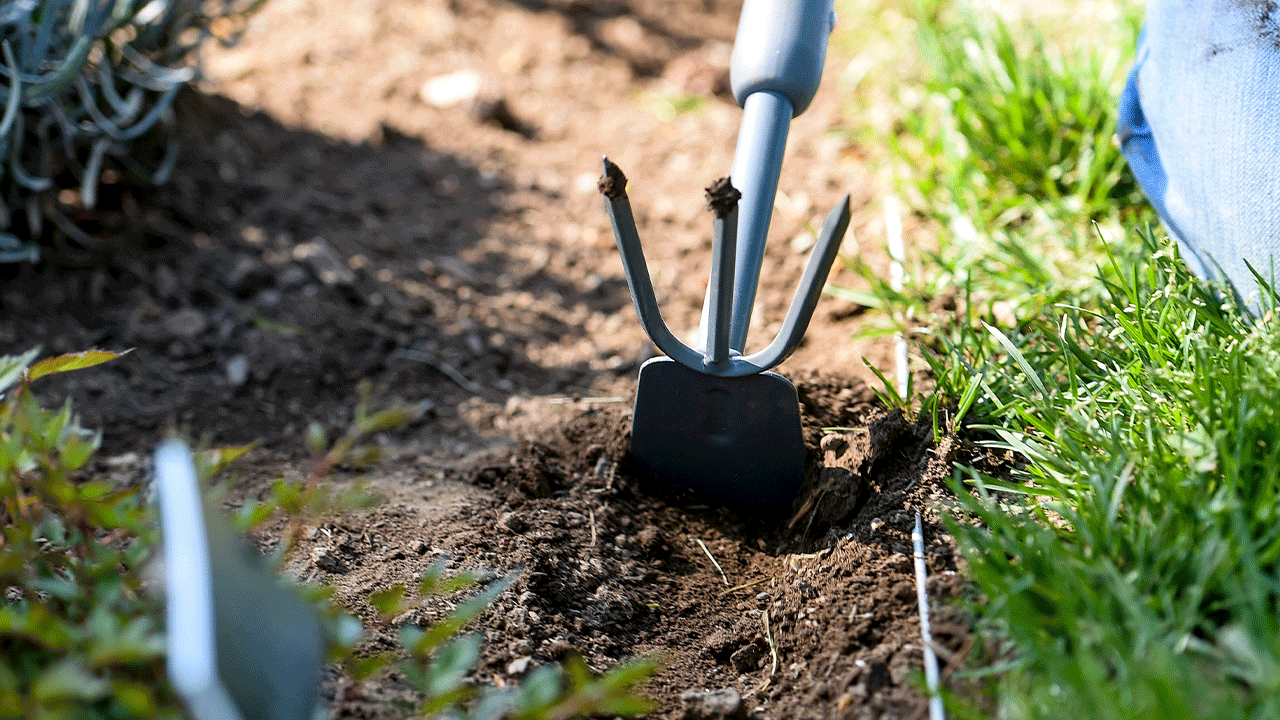
Gardening also encourages something else the country desperately needs which is physical activity. Digging soil, planting beds, watering plants and maintaining a garden gets people outside and moving instead of sitting indoors. Heck, I made a ton as a kid raking leaves and now all people want to do is blow them.
In other words, growing food improves both sides of the family budget:
PRESIDENT TRUMP IS TAKING IMPORTANT, STRATEGIC STEPS TO PROTECT AMERICAN CONSUMERS
Lower grocery bills. Lower medical bills. That’s a powerful one-two punch solution for American households. The biggest benefit might be something less measurable.
It restores a sense of independence.
Americans are used to solving problems with bigger government programs, more subsidies or more regulations. Sometimes the solution is simpler.
Give people knowledge and tools.
A generation that knows how to grow food is a generation that is less vulnerable to price shocks, supply disruptions and inflation. You may not be able to grow everything you eat. But even producing a portion of your food creates resilience.
CLICK HERE TO DOWNLOAD THE FOX NEWS APP
And maybe, just maybe it teaches the next generation something deeper about self-reliance, responsibility and the value of hard work.
Because the cheapest vegetables you’ll ever buy…are the ones you grow yourself.
CLICK HERE TO READ MORE FROM TED JENKIN
Source link
editor's pick
latest video

Sports News To You
Subscribe to receive daily sports scores, hot takes, and breaking news!