
Crippling freezes cost over $3 billion in estimated losses to Florida agriculture
Orlando, Tampa and Miami all recorded their coldest temperatures in 16 years this weekend. Many places across Florida began Monday morning below freezing for the seventh consecutive day for the first time since 2001. The rare cold snap will last in the Sunshine State through Tuesday before temperatures finally warm up by midweek.
TALLAHASSEE, Fla. – Crippling freezes from the harsh winter have dealt a costly blow to Florida’s booming agriculture industry, which thrives on the Sunshine State’s postcard-perfect ‘snowbird’ winters.
According to a report from the Florida Department of Agriculture and Consumer Services, preliminary estimates reveal the recent freezes cost more than $3 billion in total estimated losses across the state’s agricultural sectors.
“Our preliminary estimate of over $3 billion in agricultural losses makes clear what we already knew: This was one of the most damaging freeze events for Florida agriculture in history. It is also clear that our state’s farmers, ranchers, and growers – who we rely on daily to feed and nourish our communities – need timely and substantial support,” said Commissioner Wilton Simpson.
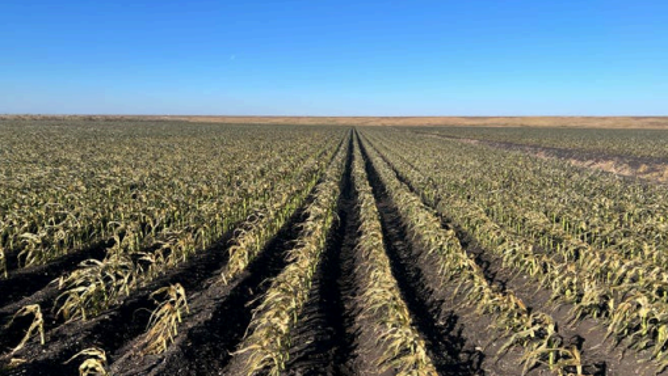
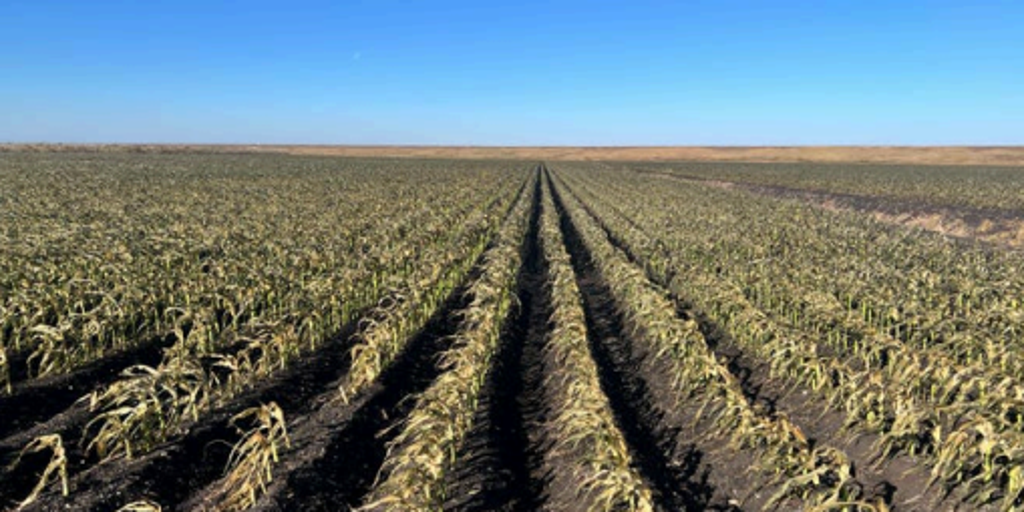
Unprecedented freeze events have taken a costly toll in Florida. Sweet corn alone has lost an estimated $255,363,251 in revenue, according to a recent report from the Florida Department of Agriculture and Consumer Services.
(Florida Department of Agriculture and Consumer Services.)
Freezing temperatures can kill plants entirely, spoiling plants for good or significantly damaging them. Florida’s agriculture industry annually grosses billions thanks to favorable weather conditions that draw millions of tourists to the state every year. When prolonged cold stretches and severe winter weather dips into the Sunshine State, the results are devastating to many of the plants that aren’t adapted to the cold.
The report details two winter weather events that brought unexpected, widespread damage across Florida, affecting many of the state’s most productive agricultural regions during peak seasonal growth and planting periods.
VIDEO: FIRST RESPONDERS RESCUE INJURED MANATEE MOTHER AND CALF IN SOUTH FLORIDA
Florida, like many parts of the Eastern U.S., has suffered a brutally cold winter. While it is detrimental to vacationers and “snowbirds” seeking refuge in the Sunshine State to get away from the cold, the prolonged cold spells ruin much more than a vacation.
Beyond the immediate harm to crops, the prolonged cold temperatures caused significant stress to a wide range of specialty crops, challenging farmers that haven’t seen freeze events of this scale in decades.
According to the report, a total of 66 counties across Florida experienced freezing temperatures.
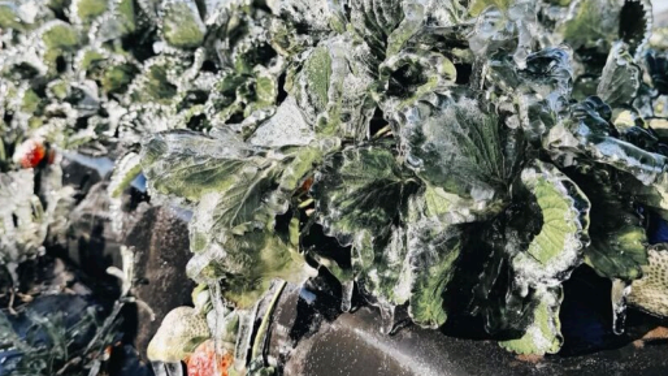
Freeze damage spoils strawberries in Florida. According to a report from the Florida Department of Agriculture and Consumer Services, an estimated $306,965,897 in revenue has been lost due to crippling freeze events.
(Florida Department of Agriculture and Consumer Services.)
Florida ushered in the New Year and started off 2026 in freezing fashion.
HOW COLD DOES IT NEED TO BE IN FLORIDA FOR IGUANAS TO FALL FROM TREES
The strong winter storm froze Florida to start the New Year and affected nearly the entire state, except for the Florida Keys, across several days during late December and into early January. The significant storm crippled travel and left lasting damage in the Sunshine State. While the unprecedented winter storm caused a significant headache for millions in Florida, the brutal winter was just getting started.
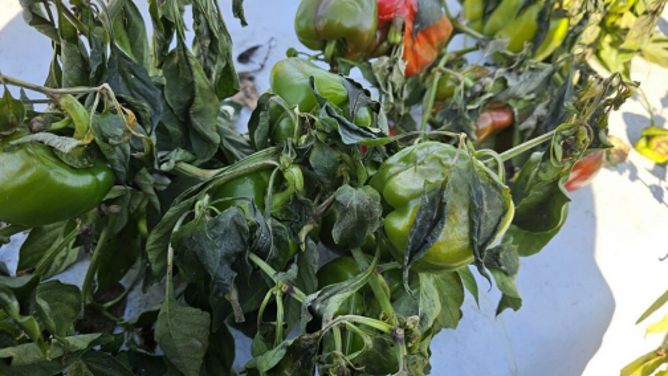
Freeze damage to bell peppers in Florida after significant winter weather storm slammed Florida. According to a report from Florida Department of Agriculture and Consumer Services, an estimated $108,380,389 in bell pepper revenue has been lost due to crippling freeze events.
(Florida Department of Agriculture and Consumer Services.)
Florida froze again to kick off February, when arctic air locked in a firm grasp of the Sunshine State, setting freezing record-low temperatures across a wide swath of the state.
The freeze struck areas vital to Florida’s production of vegetables and melons, citrus, sugarcane, fruits, horticulture and aquaculture.
While some producers managed to harvest, many faced challenges such as immature crops, windy conditions, limited labor or storage, and inadequate crop protection, leading to losses.
“I want to thank President Donald Trump and U.S. Secretary of Agriculture Brooke Rollins for their unprecedented support for our food producers, especially during times of crisis like this. They know that a strong domestic food supply is critical to our nation’s security, and Florida’s farmers feed America, especially during the winter,” Commissioner Wilton Simpson said. “Working hand in hand with producer groups and our congressional delegation, we stand ready to accept and quickly administer federal block grant funding to support our impacted producers to recover, to replant, and to keep our nation fed.”
Total estimated losses to Florida agriculture: Over $3.1 billion
- Tomatoes: $164,273,849
- Strawberries: $306,965,897
- Watermelons $65,437,343
- Sweet Corn: $255,363,251
- Sugarcane: $1,152,122,146
- Bell Peppers: $108,380,389
- Potatoes: $79,065,000
- Cabbage: $21,800,280
- Squash: $24,522,275
- Blueberries: $78,512,400
- Greenhouse and Nursery: $240,000,000
- Citrus: $674,660,336
Source link
editor's pick
latest video

Sports News To You
Subscribe to receive daily sports scores, hot takes, and breaking news!